
10 Questions to Ask Your Local Electronics Shop
Choosing the right place to purchase or repair your electronics can make a significant difference in performance, longevity, and overall value. A reliable local electronics shop offers more than just products—it provides expertise, service, and peace of mind. Asking the right questions ensures you get the best experience possible.
1. What Types of Products Do You Specialize In?
Not all electronics stores are the same, so it’s important to understand what a shop focuses on. Some stores may specialize in home appliances, while others focus on consumer gadgets like smartphones, laptops, or audio equipment. Asking this question helps you determine whether the shop aligns with your specific needs.
A well-established electronics shop will often have a clear niche or expertise, which can lead to better recommendations and higher-quality products. If you're looking for something specific, such as high-end audio systems or smart home devices, choosing a shop with specialized knowledge can make all the difference.
2. What Brands Do You Carry and Recommend?
Brand selection is a major factor when buying electronics. Some shops carry a wide variety of brands, while others may focus on a select few they trust. By asking which brands they carry and recommend, you gain insight into their standards and partnerships.
A knowledgeable local electronics shop should be able to explain why they recommend certain brands over others. This can include factors like reliability, warranty support, and customer satisfaction. Their recommendations often reflect real-world experience rather than just marketing claims.
3. What Warranty Options Are Available?
Electronics can be a significant investment, so understanding warranty options is essential. Ask whether the shop offers manufacturer warranties, extended warranties, or in-house service guarantees.
A trustworthy electronics shop will clearly explain what is covered and for how long. They should also be transparent about the process for filing a warranty claim. This clarity can save you time and frustration if something goes wrong with your purchase.
4. What Repair Services Do You Offer?
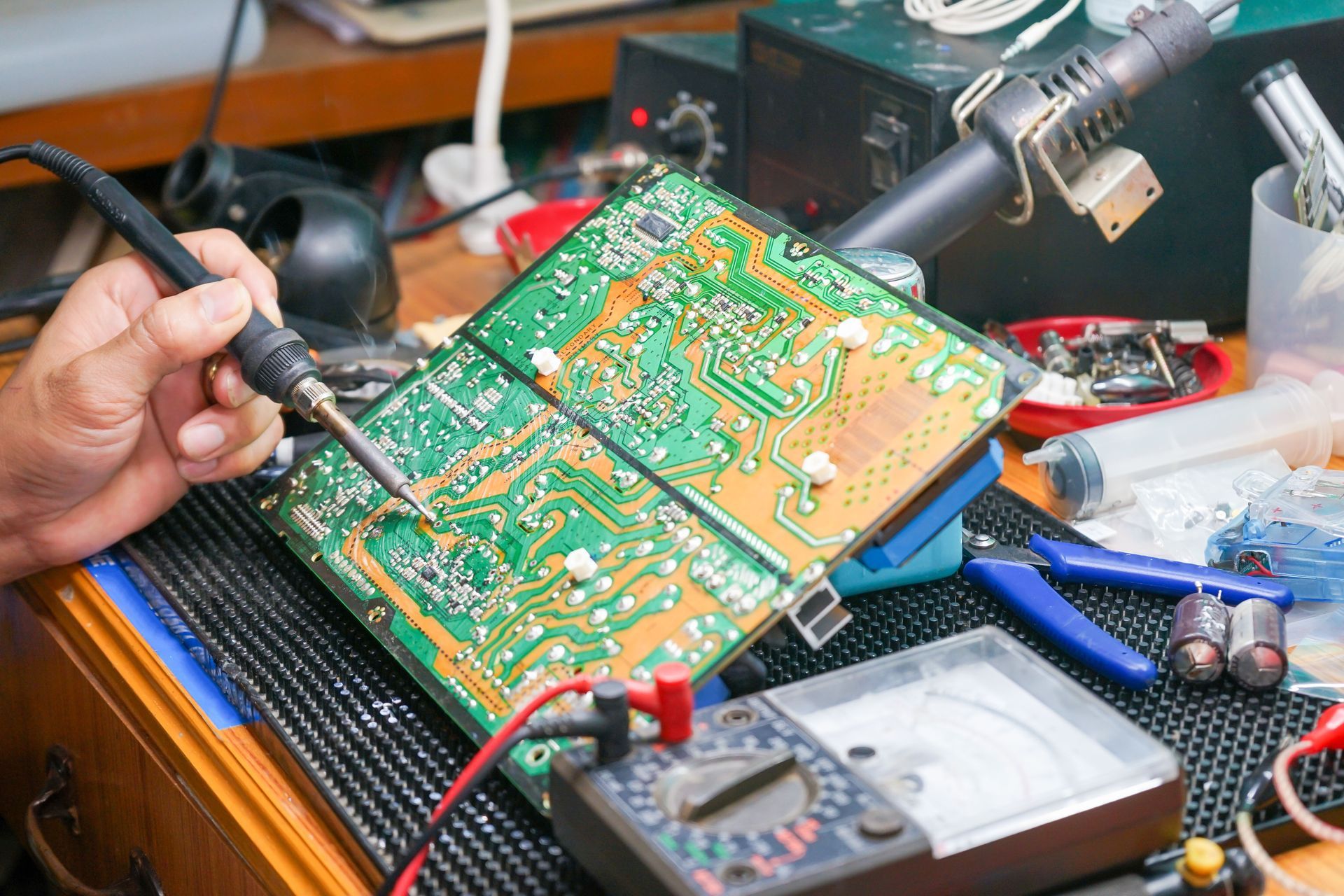
Many electronics stores also provide repair services, which can be incredibly valuable. Knowing whether the shop can fix your device instead of replacing it can save money and extend the life of your electronics.
According to IBISWorld, there are over 60,200 appliance repair businesses in the United States, highlighting just how important repair services are. A reputable electronics shop often stands out by offering reliable, in-house repairs or trusted partnerships with certified technicians.
5. What Is Your Return and Exchange Policy?
Even with careful selection, sometimes a product doesn’t meet expectations. That’s why it’s crucial to ask about return and exchange policies before making a purchase.
A customer-focused local electronics shop will have a clear and fair policy in place. Understanding the timeframe, conditions, and any associated fees helps you shop with confidence and avoid unexpected issues later on.
6. What Level of Customer Support Do You Provide?
Customer support can make or break your experience with an electronics purchase. Ask what kind of support the shop offers after the sale, such as troubleshooting assistance or setup guidance. It’s also helpful to find out whether support is available in person, over the phone, or online, and how quickly you can expect a response. Knowing these details ahead of time ensures you won’t be left struggling if an issue arises with your device.
A dependable electronics shop should be willing to help beyond the initial transaction. Whether it’s answering questions, providing tutorials, or assisting with installation, strong customer support is a sign of a business that values long-term relationships. Some shops even offer follow-up services, maintenance tips, or check-ins to ensure your equipment continues to perform as expected. This ongoing support can extend the life of your electronics and give you greater confidence in your purchase decision.
7. What Are the Latest Technology Trends You Recommend?
Technology evolves rapidly, and staying up to date can be challenging. Asking about current trends gives you access to expert insights that you might not find online. Store professionals often have hands-on experience with new products, allowing them to share practical feedback rather than just specifications. They can also explain how emerging technologies integrate with what you already own, helping you make smarter upgrade decisions.
An experienced local electronics shop can guide you toward innovations that are worth the investment while steering you away from short-lived fads. This advice can be especially helpful when upgrading devices or exploring new tech categories. Additionally, they may alert you to upcoming releases or improvements, so you can time the purchase more strategically. By relying on their knowledge, you can avoid overspending on unnecessary features and instead focus on solutions that genuinely enhance your everyday use.
8. What Installation Services Do You Offer?
Some electronics require professional installation, especially larger appliances or complex systems like home theaters and smart home setups. Asking about installation services can save you time and ensure everything works properly. It also helps you avoid common mistakes that could lead to performance issues or even damage to your new equipment. Professional installers typically have the tools and experience needed to handle wiring, mounting, and configuration safely and efficiently.
A full-service local electronics shop often provides installation or can recommend trusted professionals. This added convenience can make your purchase far more valuable and reduce the risk of improper setup. In many cases, installation services may include calibration, system testing, and a walkthrough to show you how everything works. This level of support can be especially helpful if you're not familiar with the technology, giving you confidence that your investment is set up correctly from the start.
9. What Financing or Payment Options Are Available?
Electronics can be expensive, so understanding your payment options is important. Ask whether the shop offers financing plans, payment installments, or special promotions. You may also want to find out if there are seasonal sales, bundle discounts, or trade-in programs that can help reduce the overall cost. Some shops partner with third-party financing companies, which may offer low- or no-interest options if paid within a certain timeframe.
A flexible electronics shop will provide options that make it easier to afford high-quality products. This can be particularly helpful for larger purchases like appliances or advanced electronics systems. In addition, clear communication about payment terms, interest rates, and any potential fees ensures there are no surprises later on. Taking the time to review these details can help you budget more effectively while still getting the technology you need.
10. What Sets Your Shop Apart From Competitors?
Finally, it’s always a good idea to ask what makes the shop unique. This question gives the business an opportunity to highlight its strengths, whether that’s exceptional service, exclusive products, or years of experience.
A standout electronics shop will confidently explain what differentiates it from big-box retailers and online stores. Their answer can help you decide whether they’re the right fit for your needs.
Asking the right questions before making a purchase helps you choose a shop that offers quality, reliability, and excellent service. A dependable local electronics shop should be transparent, knowledgeable, and committed to customer satisfaction. By taking the time to evaluate your options, you can make smarter decisions and get the most value from your electronics. If you want to learn more about electronic repair, contact Banner Communications today to get started!




Share On: